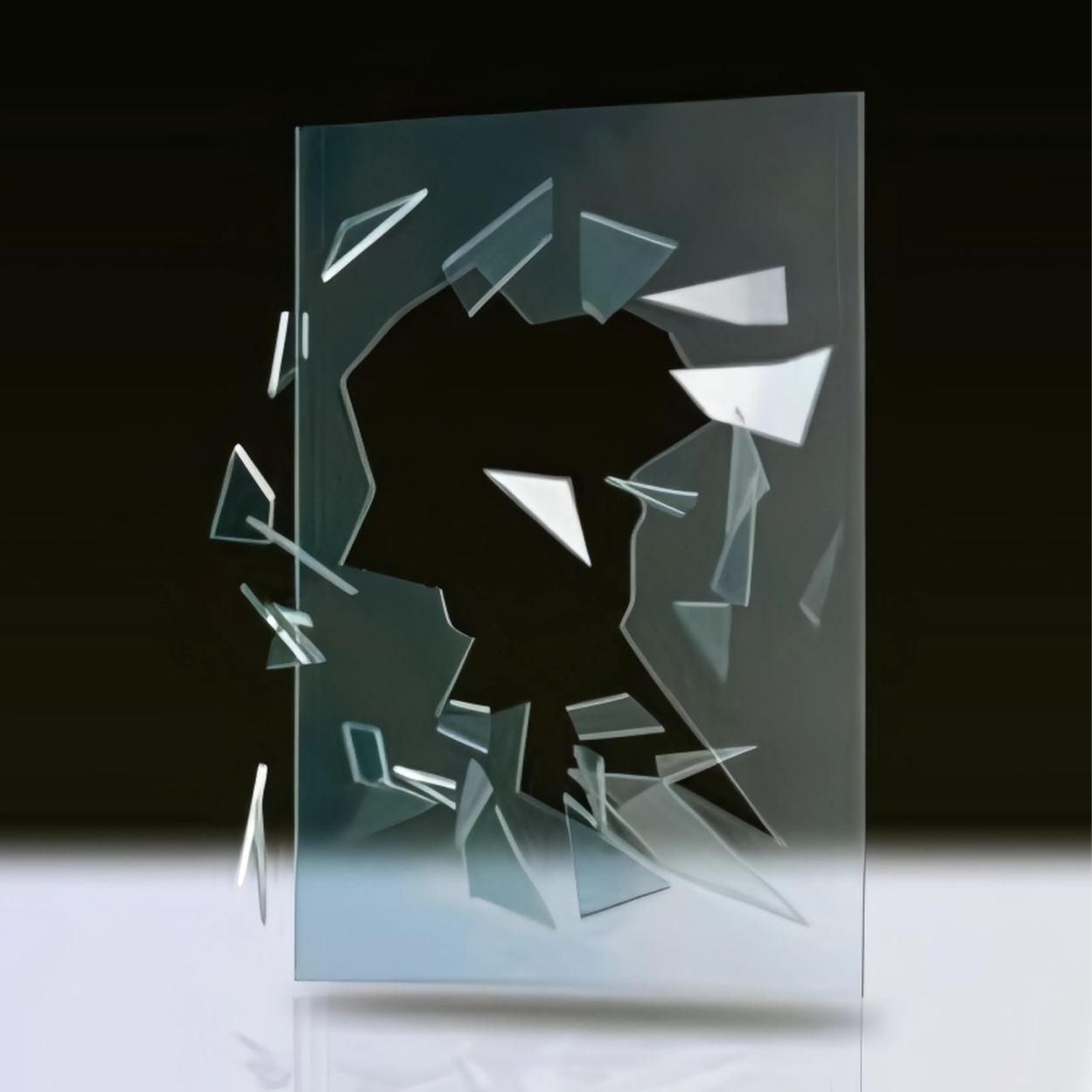
Annealed Glass (Float Glass)
Annealed Glass (Float Glass)
📊 Physical Properties
Density
2500 kg/m³
Annealing Temperature
850-900°F (454-482°C)
Tensile Strength
40-50 MPa
Strength Factor
1x
🔒 Safety Characteristics
Breaking Pattern
Large sharp shards
Safety Rating
Not safe
Thermal Shock Resistance
Low
Can Cut After Production
Yes ✓
📏 Available Thicknesses
2mm (5 kg/m²)
3mm (7.5 kg/m²)
4mm (10 kg/m²)
5mm (12.5 kg/m²)
6mm (15 kg/m²)
8mm (20 kg/m²)
10mm (25 kg/m²)
12mm (30 kg/m²)
15mm (37.5 kg/m²)
19mm (47.5 kg/m²)
25mm (62.5 kg/m²)
✅ Applications
- ✓ Residential windows (low risk)
- ✓ Picture frames
- ✓ Interior partitions
- ✓ Furniture components
- ✓ Base material for processing
⭐ Advantages
- + Most economical option
- + Easy to cut and fabricate
- + Excellent optical clarity
- + Can be processed further
⚠️ Limitations
- - Lowest strength
- - Dangerous breakage pattern
- - Not suitable for safety glazing
- - Limited thermal shock resistance
💰 Cost Factor
Relative Cost (Annealed = 1.0x)
1x
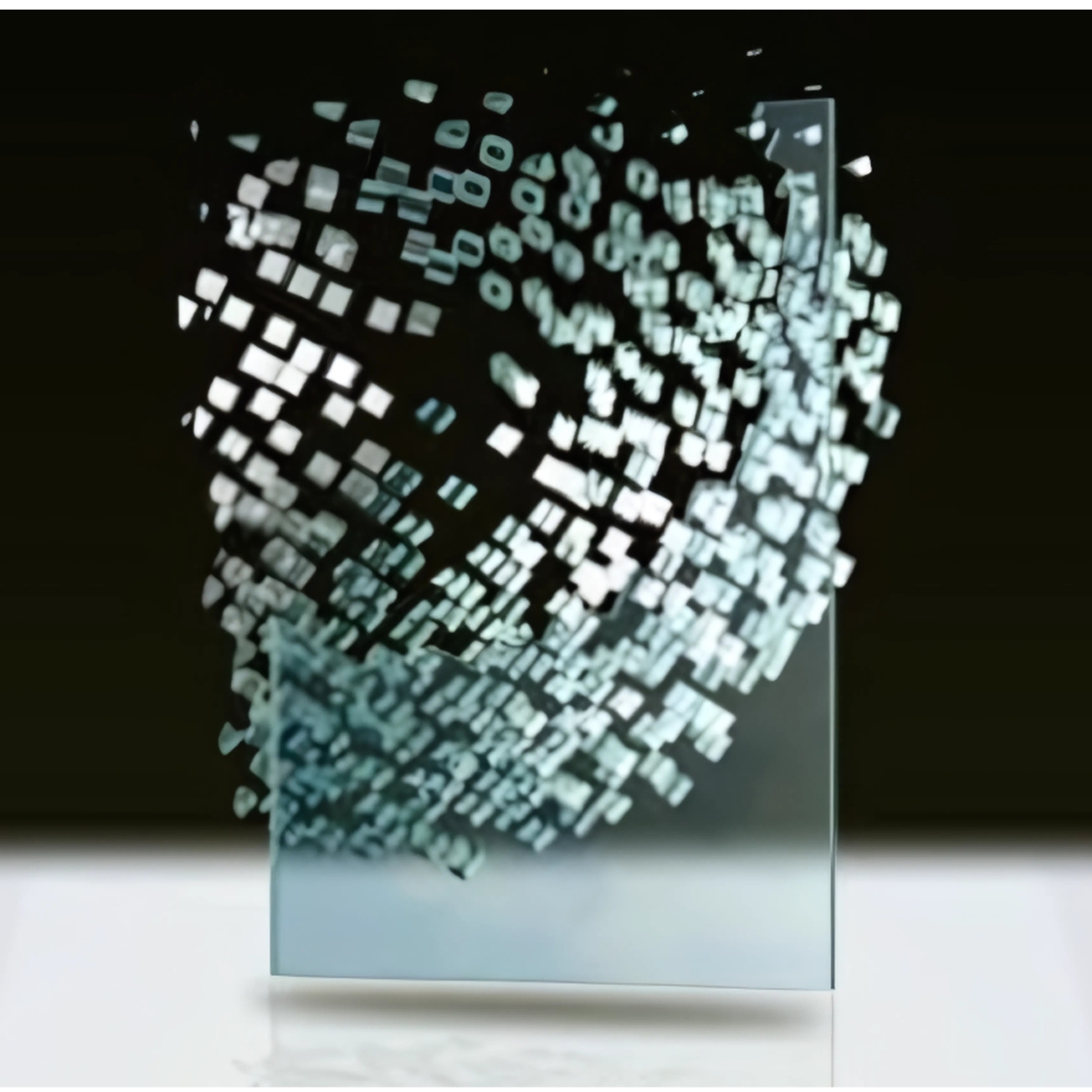
Tempered Glass (Toughened Safety Glass)
Tempered Glass (Toughened Safety Glass)
📊 Physical Properties
Density
2500 kg/m³
Processing Temperature
1,150°F (621°C)
Tensile Strength
120-200 MPa
Strength Factor
4x
🔒 Safety Characteristics
Breaking Pattern
Small cube fragments
Safety Rating
Safety glass
Thermal Shock Resistance
High
Can Cut After Production
No ✗
📏 Available Thicknesses
3mm (7.5 kg/m²)
4mm (10 kg/m²)
5mm (12.5 kg/m²)
6mm (15 kg/m²)
8mm (20 kg/m²)
10mm (25 kg/m²)
12mm (30 kg/m²)
15mm (37.5 kg/m²)
19mm (47.5 kg/m²)
✅ Applications
- ✓ Shower doors and enclosures
- ✓ Glass entry doors
- ✓ Automotive side windows
- ✓ Balustrades and guardrails
- ✓ High thermal stress areas
⭐ Advantages
- + 4x stronger than annealed
- + Superior thermal shock resistance
- + Safety breakage pattern
- + Meets safety glazing codes
⚠️ Limitations
- - Cannot modify after tempering
- - Slight optical distortion
- - Completely vacates opening when broken
- - Higher cost and lead time
💰 Cost Factor
Relative Cost (Annealed = 1.0x)
2x
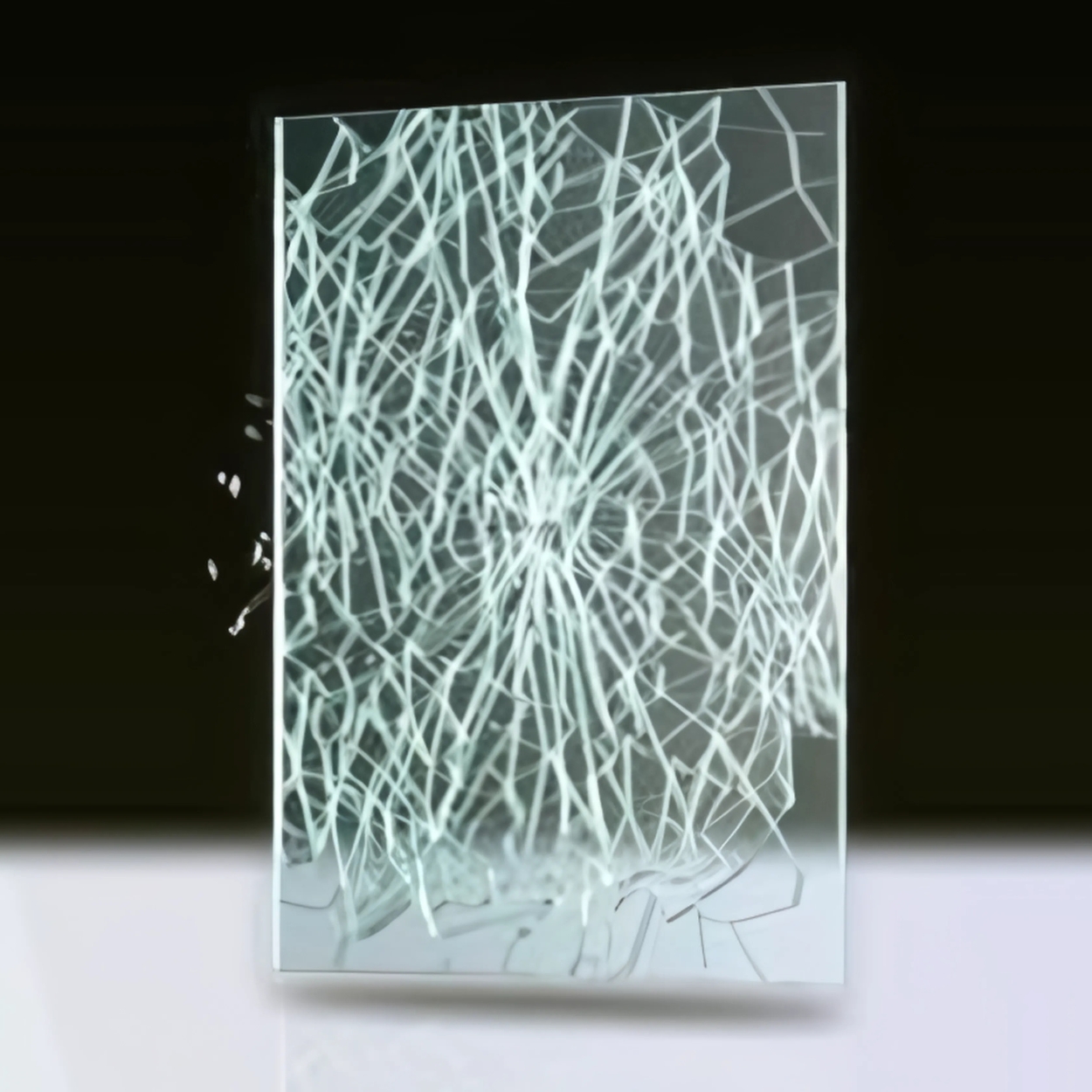
Laminated Glass
Laminated Glass
📊 Physical Properties
Density
2500 kg/m³
Tensile Strength
40-50 MPa per layer
Strength Factor
1x
🔒 Safety Characteristics
Breaking Pattern
Held together by interlayer
Safety Rating
Safety glass
Thermal Shock Resistance
Medium
Can Cut After Production
No ✗
📐 Standard Configurations
2+2mm
3+3mm
4+4mm
5+5mm
6+6mm
🔗 Interlayer Information
Interlayer Material
PVB (Poly Vinyl Butyral)
Interlayer Thickness
0.38mm - 1.52mm
✅ Applications
- ✓ Automotive windshields
- ✓ Overhead glazing
- ✓ Hurricane resistant glazing
- ✓ Security applications
- ✓ Sound control barriers
- ✓ UV protection needs
⭐ Advantages
- + Glass stays in frame when broken
- + Superior sound insulation
- + Blocks 99% UV rays
- + Security and forced-entry resistance
- + Decorative options available
⚠️ Limitations
- - Higher cost
- - Heavier than monolithic
- - Edge sealing required
- - Cannot cut after lamination
- - Limited temperature range
💰 Cost Factor
Relative Cost (Annealed = 1.0x)
3x
📊 Comparative Analysis
Annealed Glass
Standard Float Glass
Tempered Glass
Toughened Safety Glass
Laminated Glass
Multi-Layer Safety Glass
| Property | Annealed 2mm | Tempered 4mm | Laminated 2+2mm |
|---|---|---|---|
| Tensile Strength | 40-50 MPa | 120-200 MPa | 40-50 MPa/layer |
| Relative Strength | 1x | 4-5x | 1x per layer |
| Thermal Shock | Low | High | Low-Medium |
| Impact Resistance | Low | High | High |
| Safety Rating | Not safe | Safety glass | Safety glass |
| Can Cut After | Yes | No | No |
| Relative Cost | 1.0x | 1.8-2.2x | 2.5-3.5x |
🎯 Selection Guidelines
Choose ANNEALED GLASS when:
- Budget is primary concern
- No safety glazing requirements
- Low-risk interior applications
- Future modifications may be needed
Choose TEMPERED GLASS when:
- Safety glazing is required
- High mechanical strength needed
- Thermal stress resistance required
- Building codes require safety glass
Choose LAMINATED GLASS when:
- Safety retention in opening is critical
- Security or forced-entry resistance needed
- Sound control is important
- UV protection required
- Hurricane or impact resistance needed